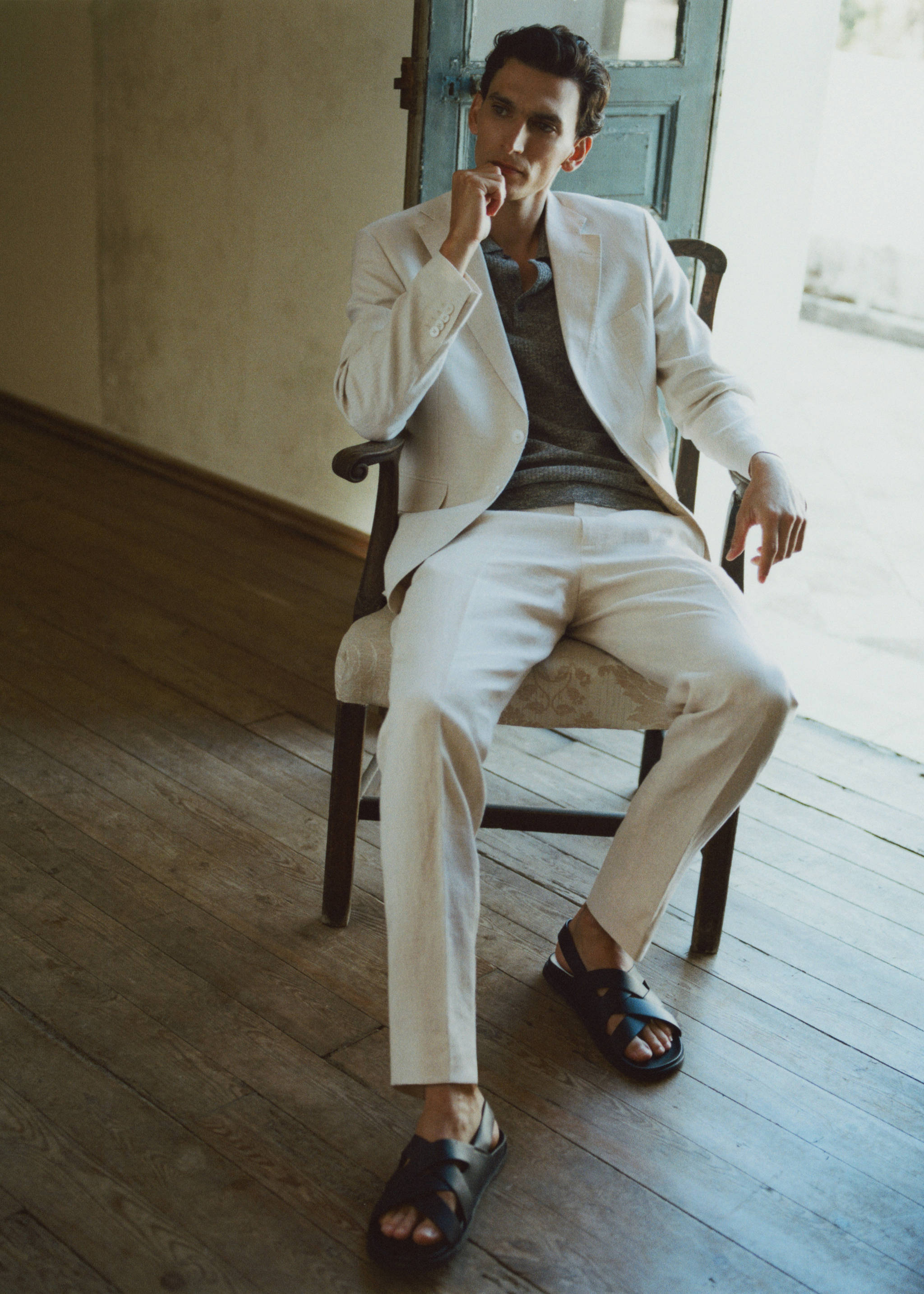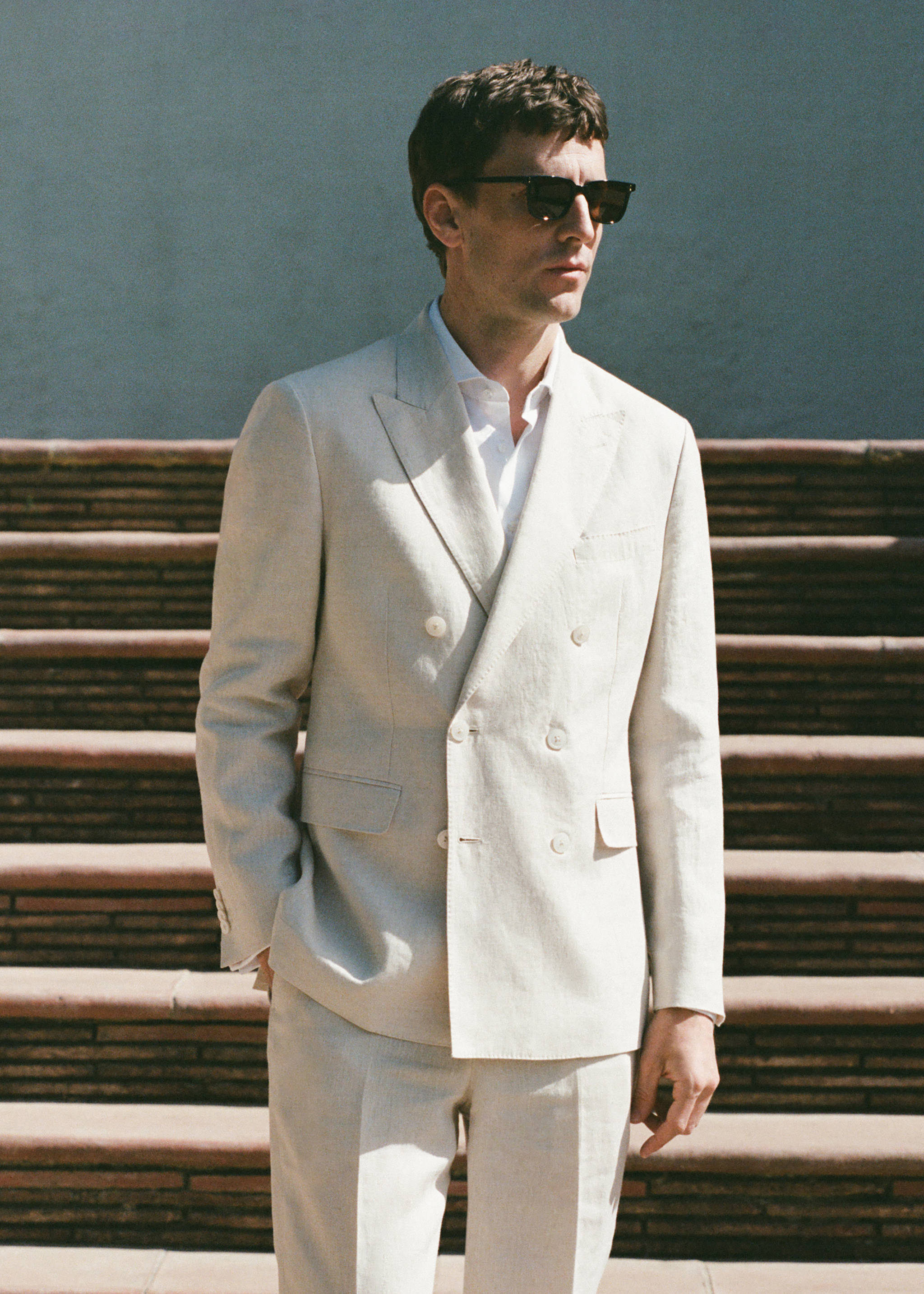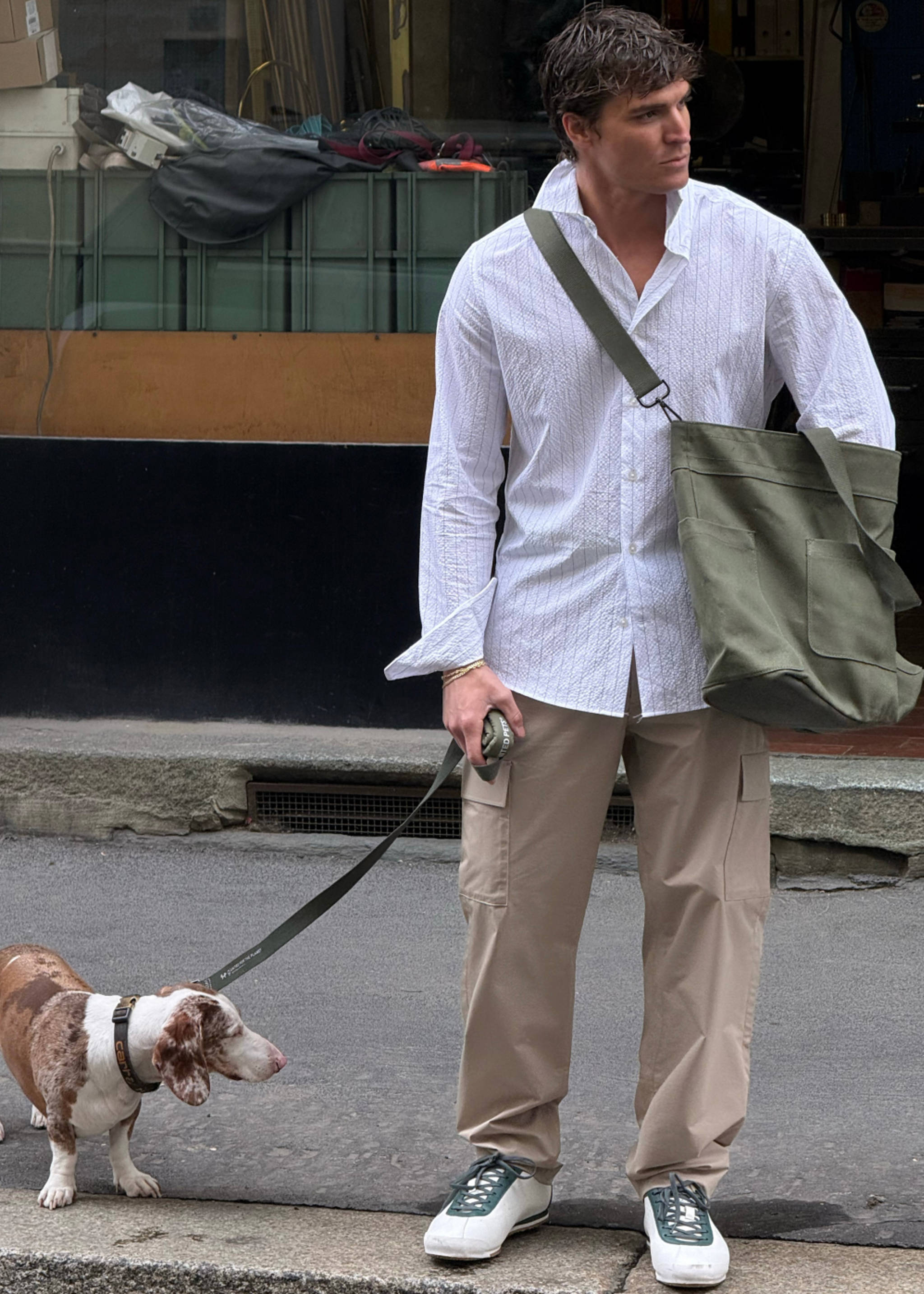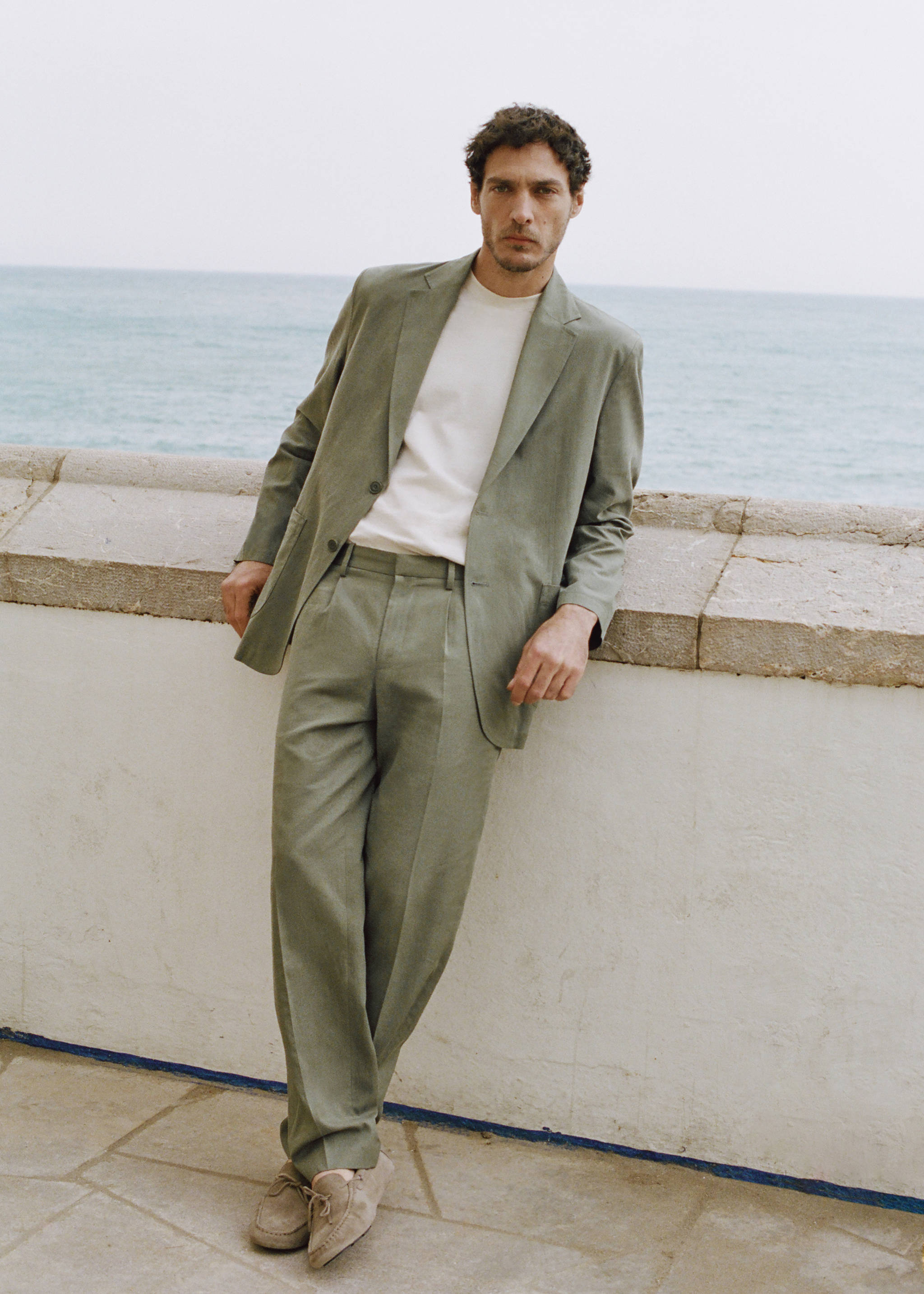
Giovanni Zattera’s Secret Addresses
Our #MangoMan reveals the charm of summer in Marseille and his favorite spots in the city
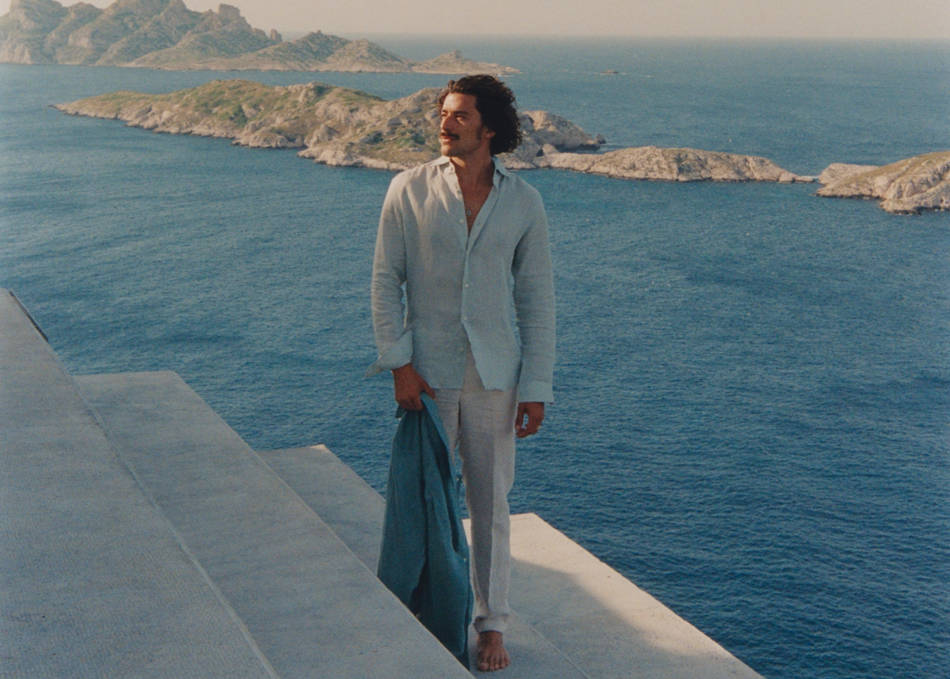
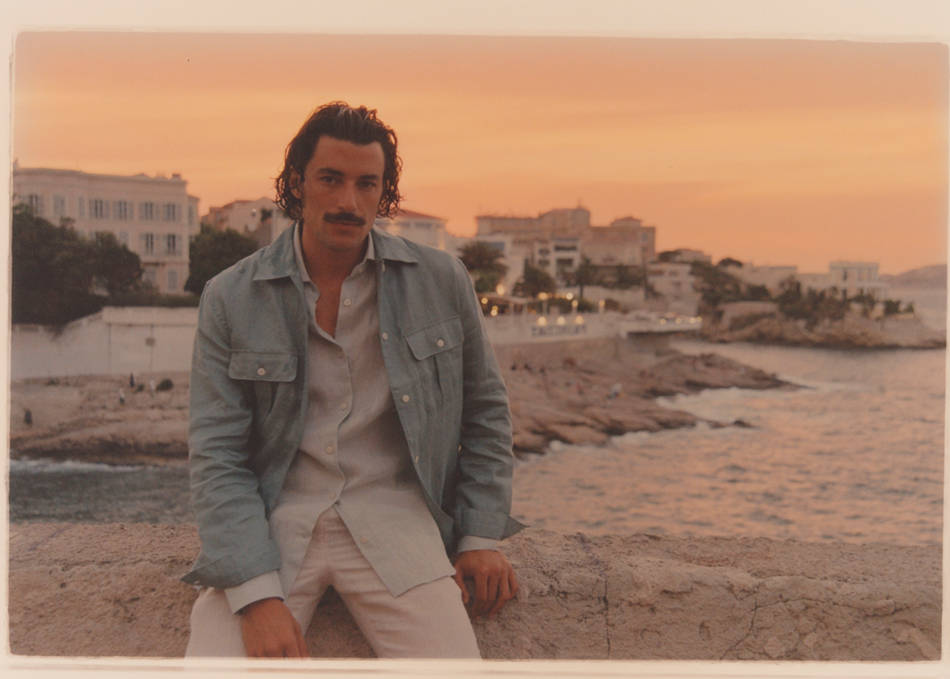
There are cities that reveal themselves through their monuments, and others that can only be understood through the people who live there. Marseille falls into the latter category. Chaotic and vibrant, rugged yet welcoming, this French city constantly looks out towards the Mediterranean, as if everything of importance were always arriving from the horizon.
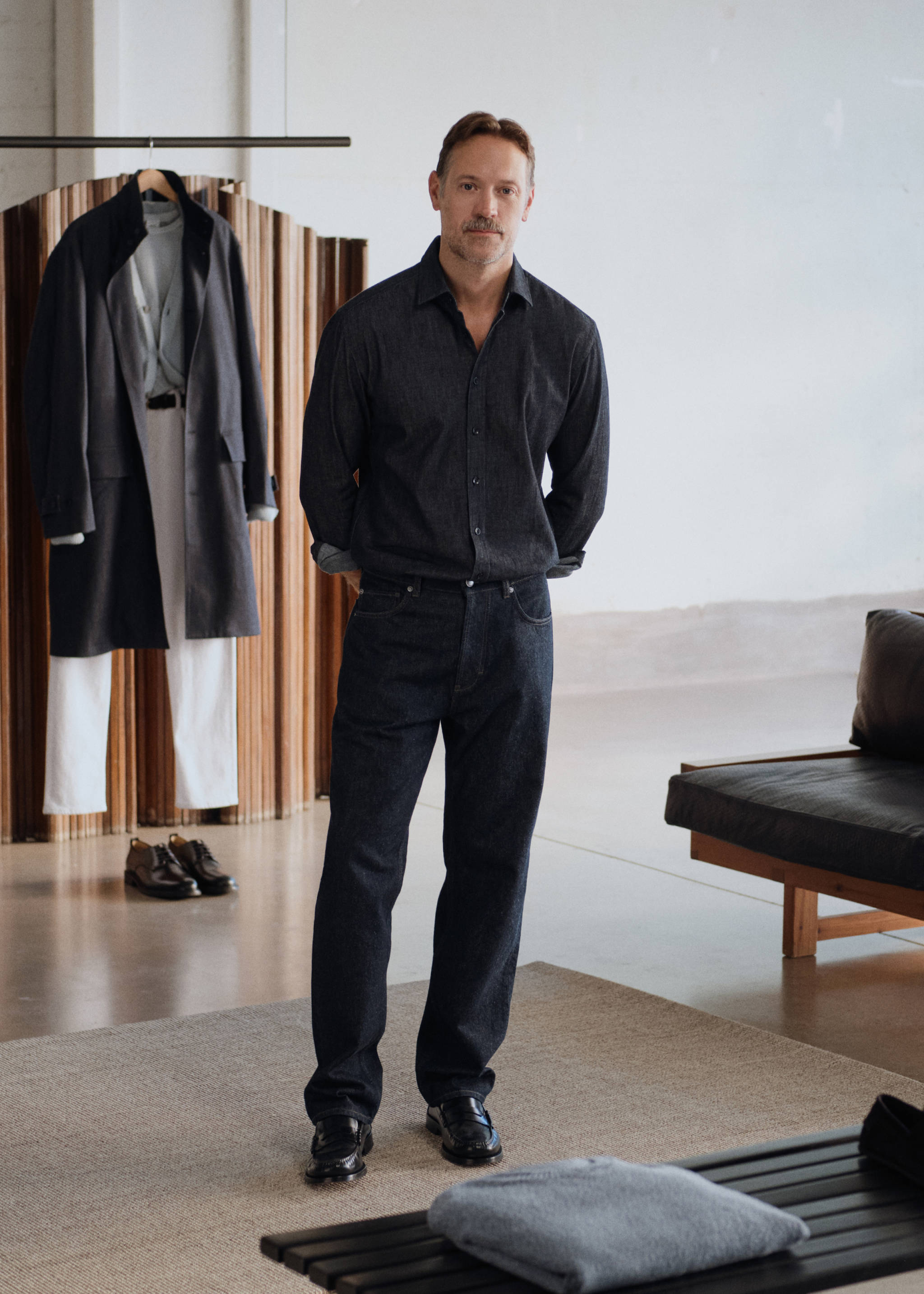
With its salt-worn façades, its bustling city beaches and a cultural mix unique in Europe, Marseille has become one of the continent’s most magnetic destinations. It was precisely this combination of spontaneous energy, a sense of community and imperfect beauty that won over Giovanni Zattera. Although he was born in Turin and has lived in cities such as Munich and Madrid, he found in Marseille something no other city had offered him: the feeling of being exactly where he was meant to be.
We spoke to him about his history with the city, the places he always returns to and the spots that best represent the spirit of Marseille.
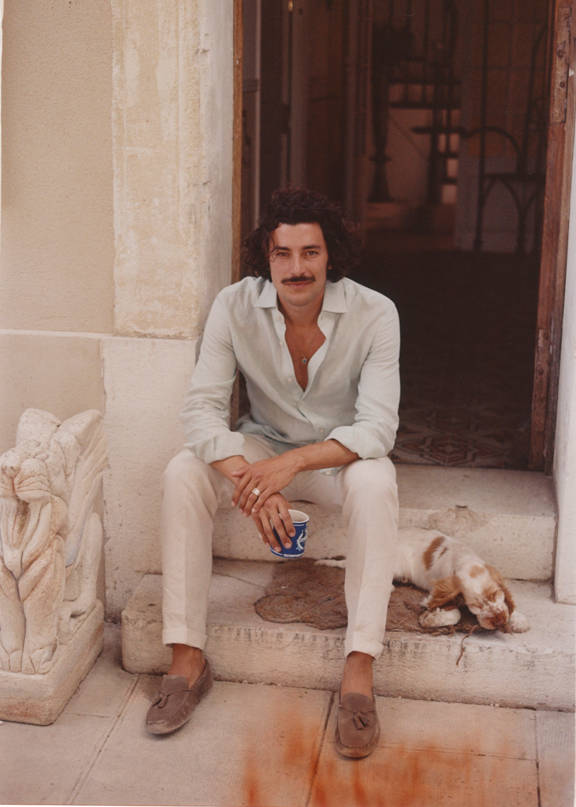
<b>MANGO: When did you move to Marseille and why?
Giovanni:</b> One of my best friends from university, Giorgio, moved to Marseille in 2016 to do his PhD. Back then, neither of us had heard of the city. I went my own way and did my PhD in Munich. I’d pop over to Marseille to see him from time to time, and we gradually discovered the city and fell in love with it. Little by little, other friends from our inner circle moved to Marseille. The story was practically the same for all of them: the plan was to stay for a couple of weeks, but here we are in 2026 and everyone’s still here. In 2022 I was living in Madrid, but I needed a change. After all, home is where your people are, and all my people were in Marseille.
<b>M: What did you think the first time you arrived? Do you still see the city the same way today?
G:</b> Marseille is a mess, a beautiful mess. The train station is perched on top of a hill and, as you step out of the building, you’re treated to a wonderful panoramic view of the city. A hive of people coming and going; it’s highly likely that various sound sources are blending French trap music with traditional Algerian rhythms and car horns. Someone on a motorbike is doing a wheelie, but somehow it doesn’t seem out of place and you barely notice them. A flock of seagulls flies overhead and the Basilica of Notre-Dame de la Garde dominates the city. Marseille is the simultaneity of many, bathed in golden light.
Over the years it has changed enormously and has become a leading cultural destination. That has brought new opportunities and energy, but also significant challenges, especially for those who have always lived here and now see the city center becoming increasingly inaccessible.
<b>M: How does it differ from Turin, your hometown?
G:</b> Marseille is very, very different. The people of Turin are famous for their calm nature, and life there is quite peaceful, in the sheltered setting of the Po Valley. I can’t help but notice that the main factor determining a city’s atmosphere is its latitude. If you travel some two hundred kilometres south of Turin, you’ll reach Genoa, where my family is from. In many ways, Genoa is the Italian counterpart to Marseille.
Turin is a somewhat polished, orderly and majestic city, in contrast to Marseille, which is rough and decadent, yet eternally young. Marseille is a few millennia old, and yet it still has the soul and beauty of a twenty-five-year-old docker.
<b>M: What do you like most about Marseille?
G:</b> I love how Marseille is projected towards the sea by design. For example, the Cathedral of Notre-Dame de la Major is situated in a somewhat out-of-the-way part of the city, a fair distance from the center. However, if you arrive in Marseille by sea, it becomes clear why it was built there: it is one of the first buildings you see, and it is there to welcome you. Marseille was built to welcome those coming from afar.
<b>M: Your favorite places have something in common. What do they mean to you?
G:</b> They all remind me of a way of life that seems increasingly hard to find. Places where community still matters and where time moves a little more slowly. They are spaces that retain a human dimension and where you always end up bumping into someone you know.
<b>M: What’s your favorite spot to watch the sunset or sunrise?
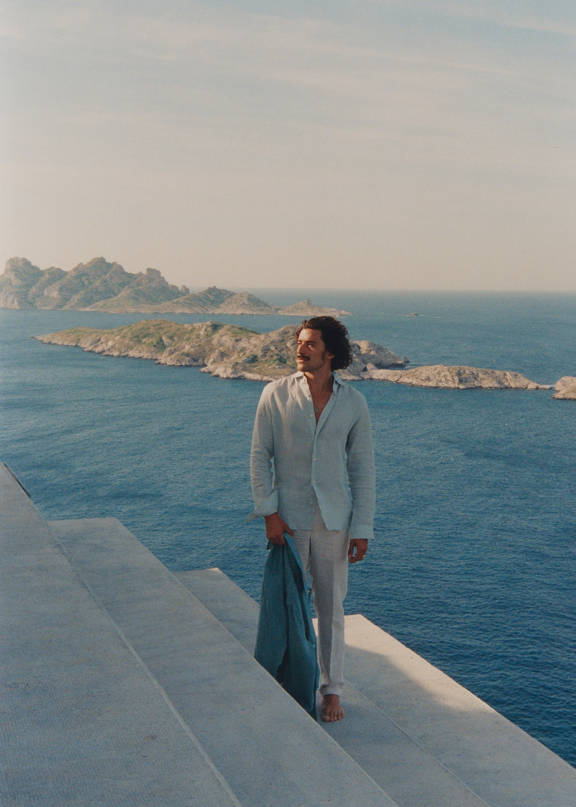
G:</b> The Sémaphore de Callelongue is an old watchtower built to observe the sea and protect the coast. For many, it’s the best place in Marseille to watch the sunset, though personally I prefer to go up at sunrise. Getting to the top takes about twenty minutes of walking uphill, but the view makes every effort worthwhile.
<b>M: An unmissable cultural venue?
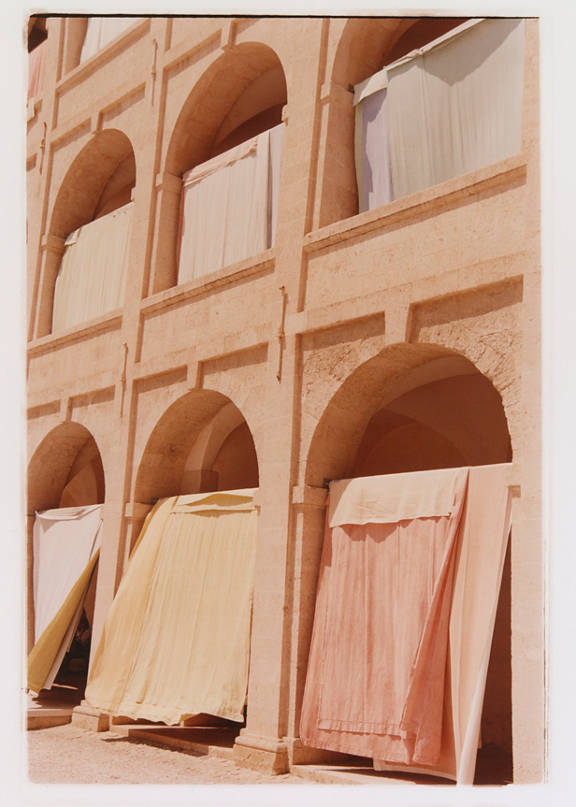
G:</b> The Center de la Vieille Charité was built in the 17th century as a shelter for vulnerable people and is now one of Marseille’s most interesting cultural centers. There’s a lovely café in the inner courtyard, ideal for reading a book in the afternoon.
<b>M: Where do you feel most inspired?
G:</b> At Pavillon Southway! It’s one of the most dynamic spaces for contemporary art in Marseille, founded by the critic and scenographer Emmanuelle Luciani. You can visit for a coffee, stay for a few days or discover constantly evolving artistic projects. It’s always changing, and that’s part of its charm.
<b>M: If someone wants to understand the true spirit of Marseille, where should they go?
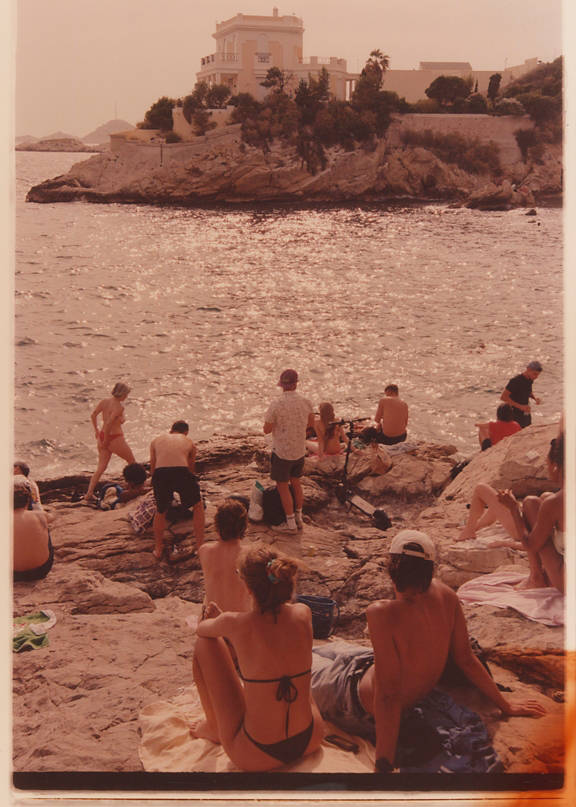
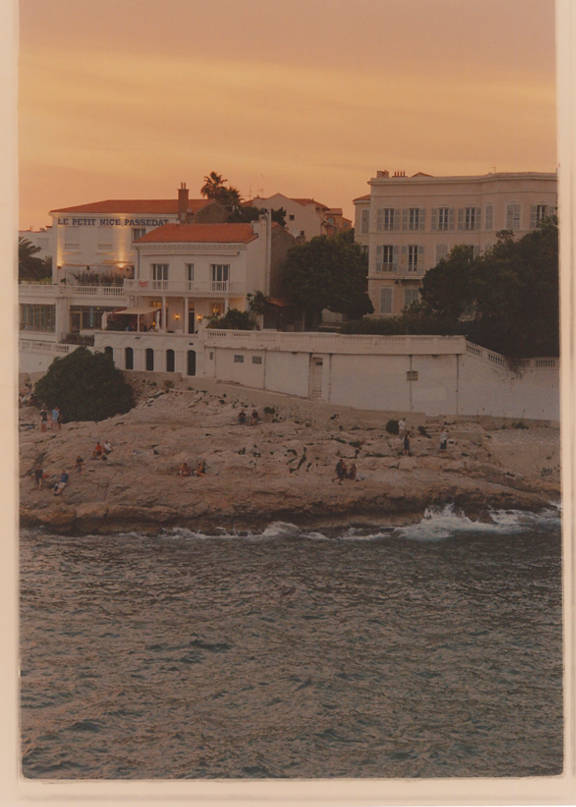
G:</b> It’s impossible not to come across one of Marseille’s most iconic urban beaches, Petit Nice Passedat. From April to November, this rocky beach is packed with people. Bring your drinks and your books, whether you’re on your own or with friends. There’s no better place to feel part of a community.
<b>M: And to round off the day?
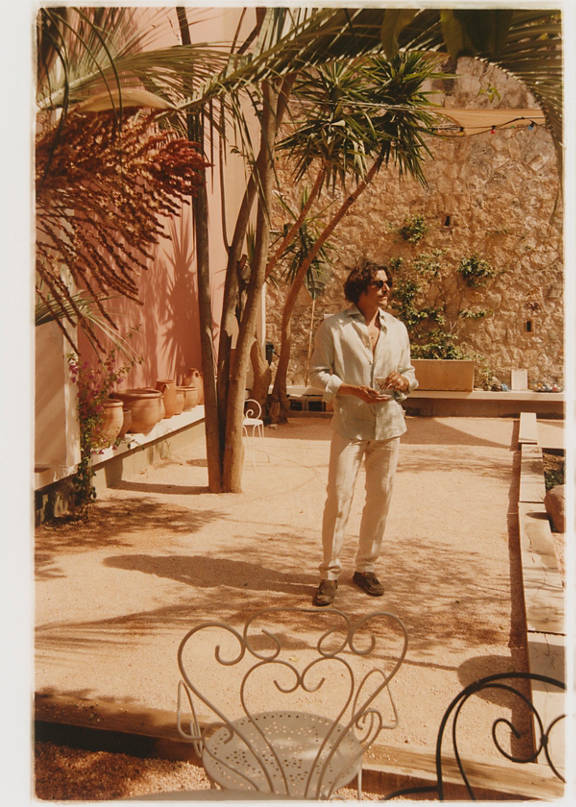
G:</b> You can’t make a list of recommendations for Marseille without mentioning at least one “boulodrome”, that is, a place where you can play pétanque. La Passarelle is a restaurant with a charming courtyard where you can enjoy one of those endless Sunday lunches. Afterwards, order a “pastis”, warm up your wrists and head to the pétanque court to show off what your grandparents taught you.
<b>M: What’s the best time to visit the city?
G:</b> I’d say just before and after the summer. Whilst much of Europe is starting to feel the chill, here you can still eat by the sea and go for a swim. I’d also recommend coming on 21 June, during La Fête de la Musique, when the whole city turns into one huge open-air celebration.
<b>M: What would you miss most if you ever had to leave?
G:</b> Marseille strikes an emotional chord in me. Every time I return home after a trip, as I leave the train station and see the whole city at a glance, it moves me. I don’t know how many places are able to do that. I’d probably miss that :)